Tag Archive for: leadership

Smart Leaders Learn from Everyone

Great leaders know one thing for sure: growth isn’t a solo journey.

The most transformative insights often come from the people around us. That’s the heart of what I call the Plato Principle, a concept I explore in my book, All the Right Reasons. It’s about committing to learn from everyone and intentionally broadening your perspective beyond your own experiences.

Here’s the beauty of it: every person you meet has lived through something you haven’t. They carry unique experiences, knowledge, and perspectives that can challenge your assumptions, refine your thinking, and sharpen your judgment. All it takes is a little curiosity. When you approach conversations with an open mind, every interaction becomes an opportunity to grow.

This holiday season, as you gather with family and friends, you have the perfect chance to put the Plato Principle into action. So, how can you use it to fuel your own growth? Here are a few simple steps to transform your conversations into something truly meaningful.

The Plato PrincipleApply the Plato Principle

1. Lead with Curiosity

Instead of waiting for an opening to share your own thoughts, start by asking better, more open-ended questions. Move beyond surface-level topics and try prompts like, “What’s a challenge you’ve been thinking about recently?” or “What’s a perspective you hold that others often disagree with?” WOW. That can instantly invite deeper, more meaningful dialogue.

2. Listen to Understand, Not to Respond

Remember, the goal is to absorb, not to rebut. When someone shares an opinion that differs from your own, resist the immediate urge to counter-argue. Instead, focus on understanding their reasoning. A simple phrase like, “Let’s get curious about that,” can shift the dynamic from debate to discovery.

3. Seek Out Different Viewpoints

Make a conscious effort to engage with people whose backgrounds and roles differ from yours. At a family gathering, this might mean talking to a younger cousin about their view on technology. In a professional setting, it could involve having lunch with someone from a completely different department. Each conversation offers a unique lens on the world.

———

I’ve noticed that the best leaders, the ones who truly stand out, are always learning from others. They build stronger teams, spark innovation, and consistently deliver better results. They are also the ones who bring fresh ideas to the table and help everyone level up.

When you embrace the Plato Principle, even a casual holiday conversation can become a turning point for your leadership journey. You might be surprised by the insights you uncover, insights that sharpen your perspective and strengthen your connections with the people who matter most.

Are we connected on LinkedIn? There, I share posts about professional development skills, self-care reminders, and other relevant topics. Here’s a video from 2019 in which I discuss the Plato Principle in action.

Lead with Authenticity, Empathy, & Moral Clarity

As business leaders worldwide focus on re-energizing workforces after years of upheaval, I urge CEOs to lead with renewed authenticity, empathy, and moral clarity. I call these principles “the real foundation of sustainable success.”

No doubt, technology and strategy will always matter. But what truly binds a company together is trust. When people feel seen, valued, and inspired, they do their best work, and that’s how you create a culture that thrives through any storm.

This notion aligns with a growing leadership movement that emphasizes employee well-being, personalized experiences, and transparent communication. As CEOs champion what many call the “great re-engagement,” I believe the key lies not in new perks or digital platforms, but in timeless human connection.

The best leaders don’t just talk about values; they live them. Every decision should be made for all the right reasons, not just the convenient ones.

A Leader Guided by Principle and Purpose

In All the Right Reasons: 12 Timeless Principles for Living a Life in Harmony, I draw on my personal experiences—from rebuilding after loss to navigating corporate challenges—to illustrate that values-driven leadership is both a moral compass and a business advantage.

I recount scrapping a multimillion-dollar product batch at USANA rather than compromising on quality, a decision that solidified USANA’s reputation for integrity. When you commit to your core values, you change your destiny.

That principle echoes my current call for executives to prioritize holistic employee wellness—mental, physical, and financial health—as a business imperative, not a benefit.

You can’t separate people’s well-being from their performance. When leaders invest in the whole person, they build loyalty that no salary can buy.

Central to this philosophy is what I call “The Dorothy Principle.” It’s a concept that says, Nothing is more important than relationships. Genuine connections are the most valuable asset in any endeavor.

People matter more than things. I partly measure success by the number of lives improved as a result of what I do and by the quality of my personal, one-on-one relationships.

This perspective challenges leaders to look beyond transactional interactions and invest in the well-being of those around them.

From Music to Mission

My career reflects a harmony between passion and purpose. A lifelong musician, I once gave up my dream of becoming a full-time rock performer to follow a deeper calling.

Music taught me about rhythm and harmony. But life taught me that true harmony comes from aligning what you do with what you believe.

This “life in harmony” philosophy has shaped both my leadership at USANA and my mentorship of emerging leaders worldwide. All the Right Reasons (Amazon link) reminds readers that lasting success comes from integrity, gratitude, and service to others.

Looking Ahead

I envision a future where companies serve not only shareholders, but also stakeholders, including employees, families, and communities. If we want to re-engage our teams, we must re-engage our humanity. That’s the kind of leadership that endures.

I shared a version of this article in a news release on Nov. 3, 2025. All the Right Reasons offers further insights into expressing empathy and finding purpose. All proceeds go to feeding hungry children, and each book purchase provides 40 meals. 

USANA Health Sciences, a global leader in health and wellness products, has long recognized the importance of social wellness in building a successful business. From its founding in 1992, USANA has focused on clear and concise communication to build trust with its customers and distributors in 25 countries. For more information about USANA Health Sciences and its dedication to promoting health, wellness, and entrepreneurial success, visit USANA.com. 

Inspiring Leaders: Women on the Board

International Women’s Day, which is celebrated each March 8, “is a global day celebrating the social, economic, cultural, and political achievements of women.” It falls within Women’s History Month, an annual celebration that focuses attention on “commemorating and encouraging the study, observance, and celebration of the vital role of women in American history.”

At USANA, we’re fortunate to have many smart, talented, and resilient women leaders. Corporate Employees, Associates, Athletes, Board Members, and others all help to keep the company on the cutting edge.

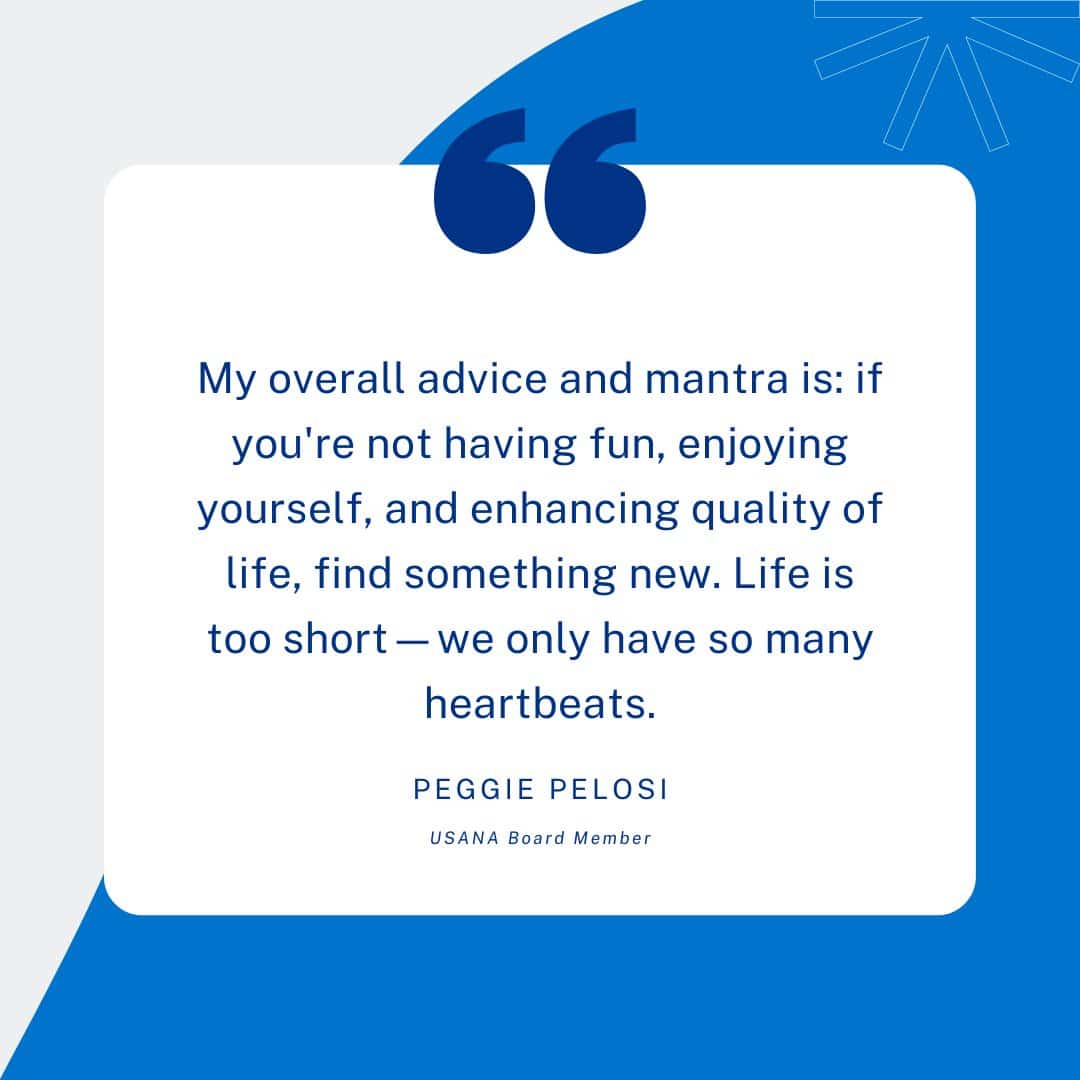
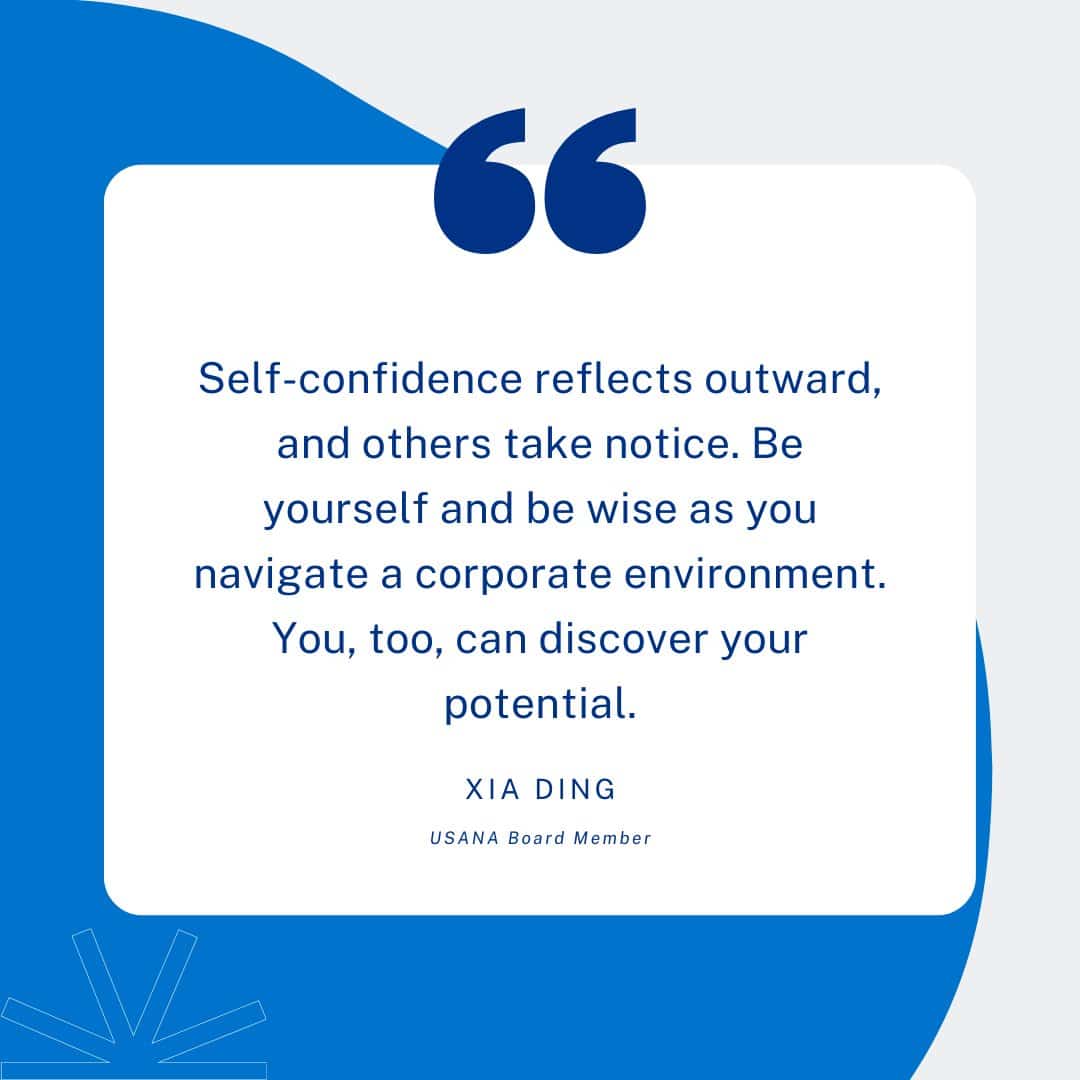
Earlier this month, USANA featured board members Xia Ding and Peggie Pelosi on its social media. As board chair, I am honored to work closely with and to learn from them. I’m confident their leadership is helping to propel USANA into its next phase of growth.

Women on the Board

“My overall advice and mantra is: if you’re not having fun, enjoying yourself, and enhancing the quality of life, find something new. Life is too short — we only have so many heartbeats.” — Peggie Pelosi

Women's History Month

“Self-confidence reflects outward, and others take notice. Be yourself and be wise as you navigate a corporate environment. You, too, can discover your potential.” — Xia Ding

Women's History Month

By the way, if you haven’t listened to the Driven episode featuring Peggie, I encourage you to do so:


Kevin Guest on How Self-Care is Needed During the Pandemic

Below are some thoughts on the importance of self-care during the pandemic. A version of this article originally appeared as part of an article I wrote for On Point Global News.

Kevin Guest, author, CEO, and musician, performs on stage pre-pandemic. He believes strongly in the importance of self-care, especially during the pandemic.

Kevin Guest, author, CEO, and musician, performs on stage pre-pandemic. He believes strongly in the importance of self-care, especially during the pandemic.

I’m a big believer in learning from past experiences. As I reflect on 2020, I came to the realization that prior to the pandemic I didn’t take care of myself nearly as much as I should have.

Self-care is critical to living a balanced life. But I didn’t do it.

After years spent taking care of others, 2020 became the year that I finally slowed down. I took time to focus on myself. I thought about things that caused me stress and I learned how to manage them more effectively.

Even more, I really dove into my own mental health, which is such a vital part to truly be healthy.

4 Practices for Better Self-Care

In a recent article for On Point Global News, I identified four self-care practices that I believe will greatly boost balance and energy.

1. Step Into Nature

I learned as a kid that spending time in nature rejuvenates a person. We are natural beings, and when we’re surrounded by nature, we feel ourselves uniting with nature. Time spent there will enrich our souls and help bring back balance and harmony.

2. Breathe and Notice

Close your eyes and name out loud the things you hear, whether it’s near or in the distance. As you continue for one minute, breathe in deeply, slowly and naturally. Realize how this simple practice brings you into the current moment. Breathing clears your mind of concerns in the past or future.

3. Slow the Roll

One benefit of adjusting to the pandemic is slowing down our schedules. Slowing down might even allow us to sleep a little longer. Make time for this important self-care practice and allow yourself to sleep fully each night. Set up a regular schedule for sleeping and stick to it.

4. Value Relationships

I say it often (because I believe it’s true!): Nothing is more important than relationships. I challenge you to reach out to others just to see how they’re doing. Listen to them. Ask questions. Show genuine interest in them. I learned that this value not only sets your day in order, but it also attracts team members who are ready to do the same.

When it comes to self-care, working from a place of harmony allows us to benefit all around us.

All the Right Reasons: 12 Timeless Principles for Living a Life in Harmony is available on Amazon. All proceeds feed hungry children, with each book purchase providing 40 meals. A version of this article originally appeared on the On Point Global News website.

Kevin Guest Shares Tips to Increase Value in Post-Pandemic Job Market

Below are some thoughts on what bosses and employees can do now to increase their value in a post-pandemic job market. A version of this article originally appeared as part of a news release.

“I learned long ago that treating others with the utmost respect and kindness is a key to success and makes life more harmonious for everyone.”

— Kevin Guest

All the Right Reasons Book CoverWith coronavirus vaccinations imminent, many U.S. workers suffering from pandemic anxiety want to better secure their employment when the pandemic ends. However, studies show job security and financial concerns are the significant predictors associated with anxiety and depression.

To confront anxiety, answers lie in what bosses and employees can do now.

Bosses have a profound effect on the morale and calm environment for employees. Recent studies show a boss’ servant leadership style makes it easier for employees to deal with anxiety related to the coronavirus pandemic.

Research published in the Journal of Applied Psychology concluded employees work better if bosses acknowledge employees’ emotional suffering, work to empower employees, and emphasize serving in the community.

3 Tips Post-Pandemic

Here are three things I believe workers — and bosses — can do now for a better post-pandemic future:

  1. Build on the power of relationships
  2. Prepare now to improve valuable skills
  3. Never give up in striving to achieve your goal

No. 1: Build on Relationships

Wherever I speak, people have said the Dorothy Principle I cite in my book, All the Right Reasons, has made an instant impact on their lives because it illustrates that knowing others’ names, such as a cleaning lady named Dorothy, can lift self-esteem. I learned long ago that treating others with the utmost respect and kindness is a key to success and makes life more harmonious for everyone.

No. 2: Improve Valuable Skills

Improving work skills is perhaps never more important than now. Many years ago, Styx’s Tommy Shaw inspired me, who sang and played guitar anywhere he could — even in bowling alleys and nightclubs.

When Tommy Shaw was playing in an Alabama bowling alley bar, the band Styx was frantically searching for a lead vocalist. Someone influential with Styx had heard Tommy sing in Chicago and thought he might be a good fit. They listened to his demo tape and were impressed with his vocal range. They changed Tommy’s life forever when they invited him to join Styx, a global powerhouse in the music world.

What if Tommy hadn’t been ready when Styx called? That level of preparation is what we all must do now to make ourselves more valuable to our employers and future employers.

No. 3: Never Give Up

A 22-year-old Rwandan woman hunted by killers illustrates my third recommendation.

After Rwanda’s genocide in 1994, Hutu fighters hunted Immaculee Ilibagiza, who fled for protection. However, even with killers outside her window calling her name, she stayed positive. Ultimately, she was rescued, traveled to Rwanda’s capital, and applied for a United Nations job for weeks with no luck.

Convincing herself she could master English, which would increase employment opportunities, Immaculee hand-drew a computer keyboard on cardboard and spent hours learning how to type. With determination to learn English, countless attempts to get the U.N. job, and positive self-talk, she was eventually hired.

It’s that level of persistence and positive self-talk that can carry us to higher ground. These traits can help us plow through any obstacle — even this pandemic. Not once did Immaculee tell herself she couldn’t do it, even though everything she learned was new and difficult.

These patterns of behavior can make us all better prepared to endure to the end of the current pandemic. They can also prepare ourselves for a solid future post-pandemic with higher levels of harmony.

All the Right Reasons: 12 Timeless Principles for Living a Life in Harmony is available on Amazon. All proceeds feed hungry children, with each book purchase providing 40 meals. A version of this article originally appeared as part of a news release.

Tips for Staying Connected While Working Remotely

In March 2020, our work routines changed dramatically. Offices shut down and employees, in many cases, were required to work from home. Staying connected became a challenge as we navigated our new workplace environments.

I wrote about the importance of incorporating core values into your home office to stay better engaged. It kicked off an internal series of articles for USANA employees. Today, as part of that series, I’d like to share some notes and advice from Pete Benedict, USANA’s executive vice president of information technology.

He wrote an article detailing how USANA’s IT teams worked hard to set us up with the proper equipment and applications to work from home.

Nearly 700 meetings were conducted on the Webex platform in the last week of August — that’s seven times more than were held the first week of March. Bandwidth usage shot up tenfold.

But that’s just the technical side of the story. How about the interpersonal side of what working remotely entails?

Staying Connected - Video Conferencing

Image by Tumisu from Pixabay.

Staying Connected & Avoiding ‘Video Fatigue’

Pete Benedict, USANA Executive Vice President of IT

As Benedict writes, “video fatigue is real. The more meetings we have throughout the day, the more tiresome they can become.”

Here are tips Benedict shared with our employees. Perhaps you can incorporate them into your situation to help fight virtual fatigue.

  • Keep meetings short, about 30–40 minutes
  • For longer meetings, take a break every hour
  • Use video when possible (sometimes an internet connection or WiFi speed may make this more difficult, but when possible use video to see and help in staying connected with others in the meeting)
  • Be on time
  • Have an agenda to stay on track (this includes ending on time)
  • Make the meeting fun and interesting (a few ideas: virtual background contests, themed meetings, bring in a child or pet, play a brief game, schedule a virtual happy hour or a meal)

“We’ve seen some amazing stuff happen with teams banding together,” Benedict says. “If I ever hear someone is struggling or sick, I reach out to ask their team members to do something special — often finding out it’s already been done.”

We’ve had more than six months to acclimate to virtual meetings, but we’re still fairly new to this digital experience. So, if your connection drops or a kid drops in, we’ve all been there. Give your coworkers, and yourself, some grace.

“I’m so glad we live in a technological age when we are able to work from home and still communicate through chat, email, and virtual meetings,” Benedict says. “It helps us stay connected to one another and to the USANA culture.”

To view additional articles in this series, please click here.